INDEPENDENT RESEARCH DESK

Ancient civilizations: documented, contextualised, and questioned.

Clear, independent coverage of Mesoamerican and Andean worlds — what we know, how we know it, and which narratives deserve a closer look. We examine archaeological discoveries, epigraphic breakthroughs, and heritage debates without the museum gift-shop gloss.

Editorial desk research · No treasure claims or speculative fiction
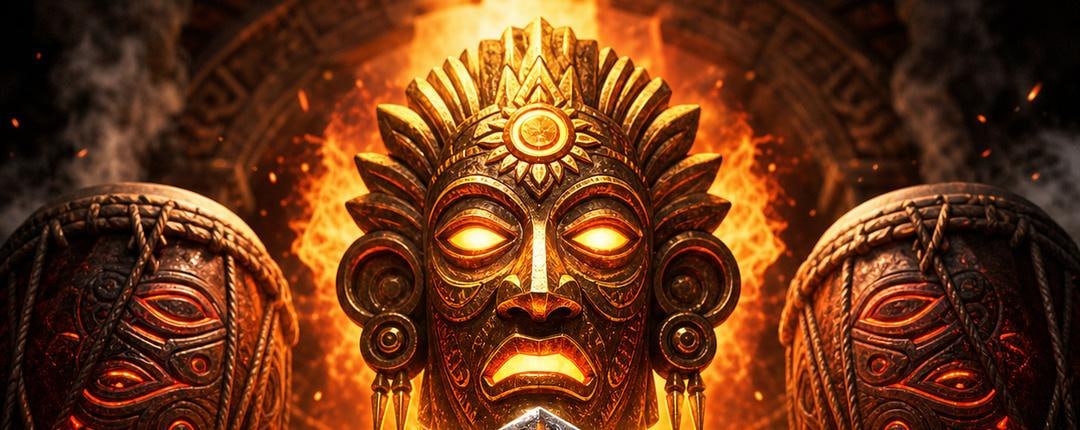
Golden Aztec ceremonial mask with obsidian eyes against flames

312artifacts documented

04civilizations covered

100%editorially independent

0paid endorsements

EDITORIAL CLARIFICATION

This is an archaeology editorial site — not a travel agency or treasure guide.

The imagery on this site uses gold, obsidian, and ceremonial motifs commonly associated with ancient American civilizations, but our purpose is explanatory coverage only. We do not organise tours, sell replicas, promise access to restricted sites, or link to any commercial operator. A real archaeological experience requires permits, trained guides, and respect for local communities. We explain how these cultures worked — we do not package them for consumption.

THE CURRENT DIG

Eight recent findings,
reviewed without the romance.

Ratings reflect source quality, contextual integrity, mobile accessibility of archives, and scholarly transparency. Field visits are always identified when completed. Each entry links to institutional holding records where available.

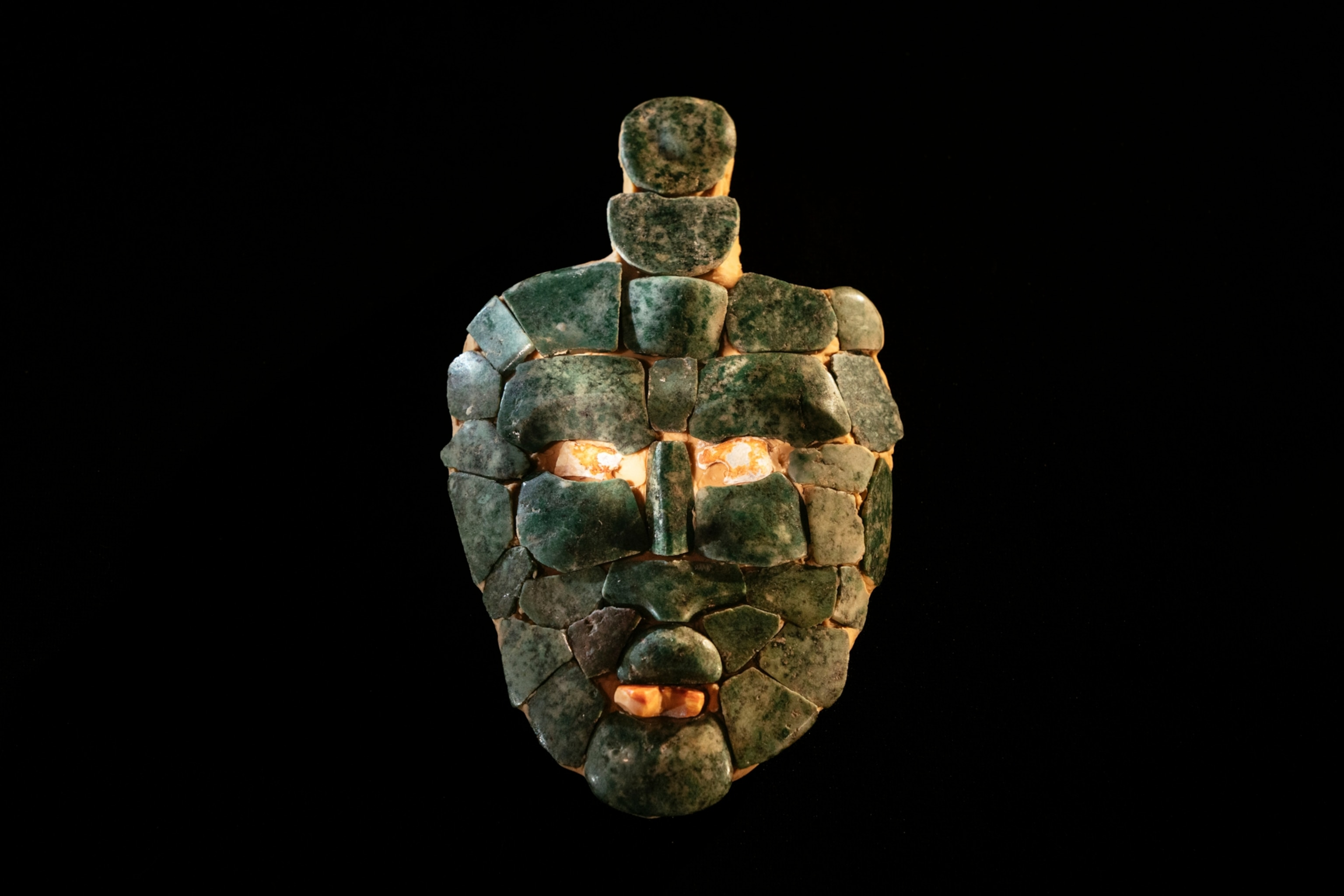
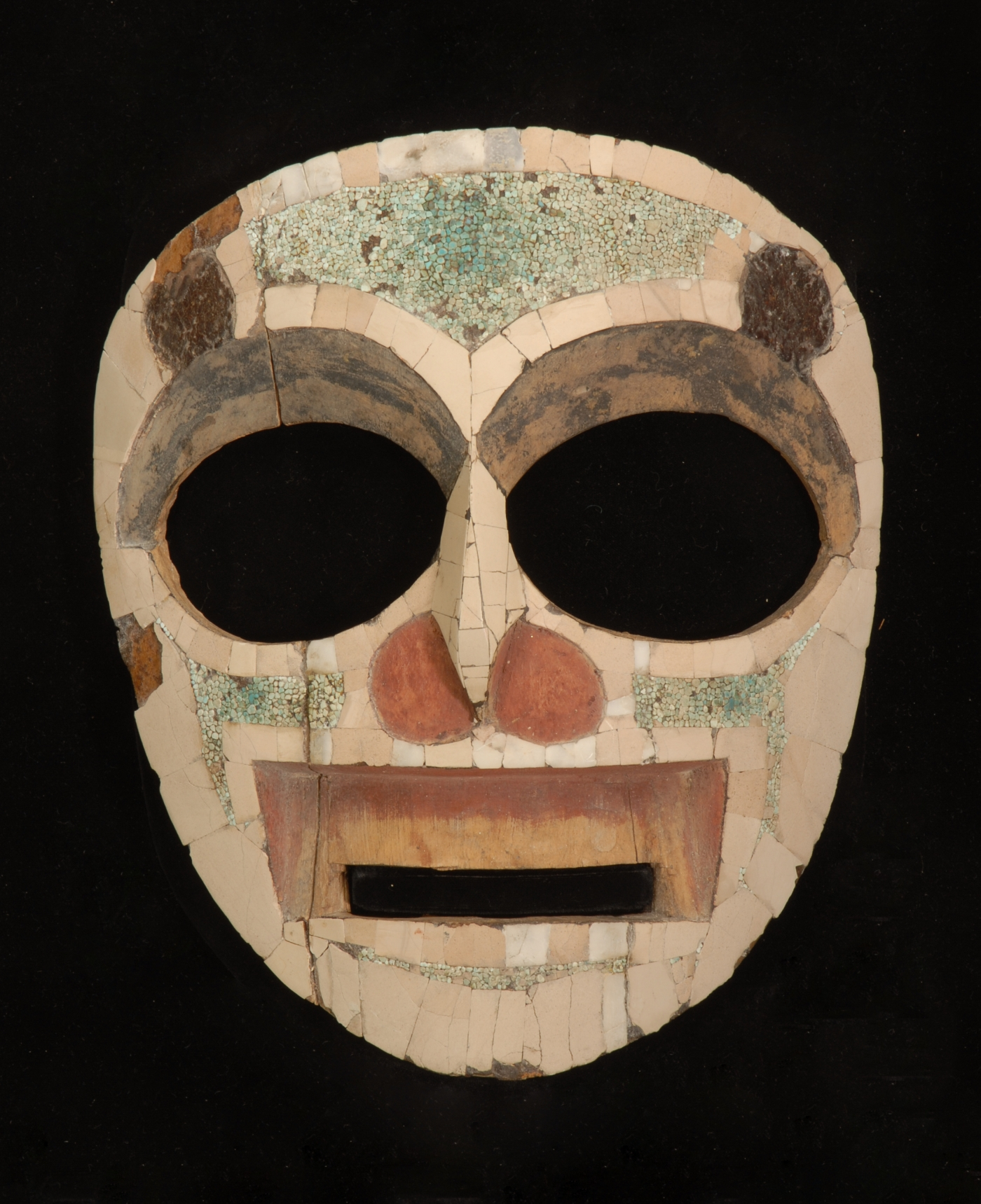
Golden Aztec ceremonial mask with turquoise inlay
Aztec metalwork9.2/10

Turquoise Pectoral of Tlaloc

A masterwork of imperial Mexica craftsmanship recently re-examined under new imaging protocols at the National Museum of Anthropology. The turquoise sourcing points to a controlled imperial supply chain rather than ad hoc trade.

Origin
Tenochtitlan region
Period
Late Postclassic
Read analysis
Maya limestone stela with glyph blocks
Maya epigraphy8.8/10

Stela 14 from Calakmul

Long-overlooked glyph blocks reveal a diplomatic marriage previously absent from the dynastic lists. Contextual notes are unusually precise, and the ceramic association supports the epigraphic reading.

Origin
Calakmul, Campeche
Period
Classic Maya
Read analysis
Inca khipu cord accounting device
Inca engineering8.5/10

The Qhapaq Ñan Segment at Ñusta Hispana

Road engineering that respects vertical geography without iron tools. The construction logic is more sophisticated than popular accounts suggest, with retaining walls adapted to freeze-thaw cycles.

Origin
Andes highlands
Period
Late Horizon
Read analysis
Olmec colossal basalt head silhouette
Olmec sculpture7.9/10

San Lorenzo Colossal Head 6

Monumental basalt portraiture with unresolved questions about transport logistics and political messaging. The helmet iconography remains debated, and the quarry-source study is still preliminary.

Origin
Veracruz lowlands
Period
Early Preclassic
Read analysis
Mixtec turquoise and gold mosaic pectoral
Mixtec lapidary8.1/10

Codex-Style Pectoral from Tomb 7

Extraordinary micro-mosaic work combining turquoise, shell, and gold foil. The iconographic program links to Mixteca-Puebla stylistic traditions and suggests long-distance artisan mobility.

Origin
Monte Albán, Oaxaca
Period
Postclassic
Read analysis
Prismatic obsidian blade with fire background
Teotihuacan lithics7.7/10

Prismatic Blade Cache from Pyramid of the Moon

Technically perfect obsidian blades deposited in a ritual context. The sourcing confirms Pachuca material, but the depositional chronology is less secure than initial reports claimed.

Origin
Teotihuacan, Mexico
Period
Classic
Read analysis
View all discoveries

OUR EDITORIAL PROMISE

Golden artifacts are only the beginning.

01

We follow the evidence.

We note gaps in the stratigraphic record, unpublished dissertations, contested translations, and the moments when a clean museum label obscures a messier history. If a context is unclear, we say so.

02

We name the source.

Field reports, peer-reviewed journals, and institutional archives are labelled separately. Summaries never pretend to be more certain than the research behind them. We link to primary publications whenever possible.

03

We keep mythology in context.

Creation stories, cosmological cycles, and ritual descriptions are treated as cultural systems — not as entertainment products, spiritual merchandise, or proof of lost super-technologies.

MECHANICS, NOT PROMISES

How archaeological hype works.

150x

A headline needs a multiplier.

In popular coverage, a single radiocarbon date or a gold weight figure gets amplified into "rewrites history." The actual revision is usually narrower, slower, and more contested than the headline suggests.

300x

Sensational is not guaranteed.

A press release may claim a discovery "proves" a theory. In the underlying article, the authors usually use cautious language, note limitations, and call for further research. We read the underlying article.

Rule of thumb

Ask: multiplied by what, when, and under which rules?

If the article cannot name the excavation unit, the ceramic phase, and the peer-review status, the number is not verifiable. We do not convert it into a headline.

AT A GLANCE

Compare the shortlist.

Finding Civilization Period Provenance Context Obsidian Score
Turquoise PectoralAztecLate PostclassicSecureTemple offering9.2/10
Stela 14MayaClassicSecurePalace complex8.8/10
Qhapaq Ñan segmentIncaLate HorizonSecureIn situ road8.5/10
Colossal Head 6OlmecEarly PreclassicSecureCeremonial centre7.9/10
Tomb 7 PectoralMixtecPostclassicSecureFunerary deposit8.1/10
Blade CacheTeotihuacanClassicPartialPyramid fill7.7/10
Codex-style vesselMayaClassicDisputedUnknown7.5/10
Wari tunicWariMiddle HorizonPartialLooted context7.3/10

Session length is an editorial estimate for a typical reading or research session, not a limit. Provenance ratings reflect documentary security, not aesthetic value.

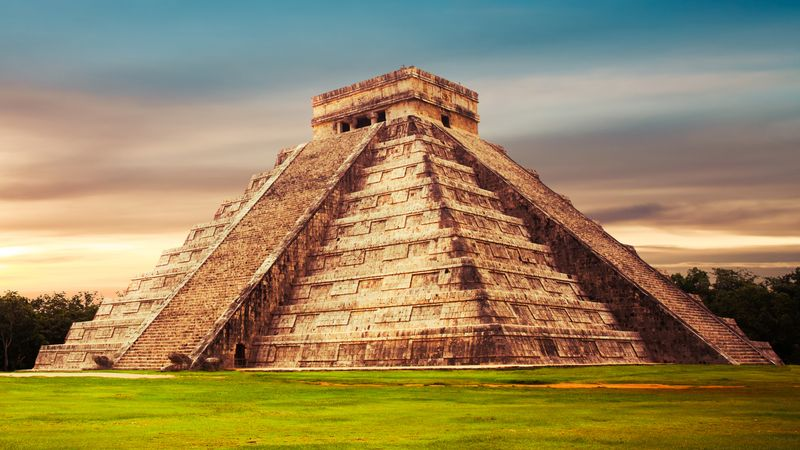
Mayan pyramid silhouette against sunset

PRACTICAL FIELD NOTES

Understand the site before you admire the artifact.

Our field notes translate complex archaeological methodology into plain language. Learn how ceramic seriation works, why context matters more than beauty, and how to read a stratigraphic column. We explain radiocarbon calibration, reservoir effects, and why a raw date can mislead the unwary reader.

  • 01How to read a Maya glyph block
  • 02Radiocarbon dating and its limitations
  • 03Recognising looted versus excavated material
  • 04How to evaluate a museum label
  • 05Understanding khipu without the mystique
Browse all field notes

CIVILISATIONS COVERED

Four worlds, one editorial lens.

🌽

Maya

Classic and Postclassic city-states, Long Count mathematics, hieroglyphic writing, and collapsed urban centres of the Yucatán and Petén. From Tikal to Chichen Itza, we track the rise and fragmentation of lowland polities.

🗿

Aztec

Triple Alliance imperial mechanics, chinampa agriculture, Mexica religion, and the archaeological layers beneath modern Mexico City. Tenochtitlan was a hydraulic civilisation before it was a capital.

⛰️

Inca

Andean vertical archipelagos, khipu accounting, Cuzco ceque lines, and the engineering logic of tambos and suspension bridges. An empire built on reciprocity, not currency.

🌋

Olmec

Gulf Coast mother culture, colossal basalt heads, jade ritual economies, and the emergence of complex society in Mesoamerica. The San Lorenzo phase reshapes our timeline for urbanisation in the Americas.

THE OBSIDIAN SCORE

One rating.
Six useful questions.

01

Provenance clarity

Can you trace the artifact back to a documented excavation?

02

Contextual integrity

Does the reporting respect stratigraphy and associated finds?

03

Scholarly accessibility

Are primary sources cited and available to readers?

04

Narrative restraint

Does the account resist sensationalism and treasure framing?

05

Indigenous voice

Are descendant communities and modern scholars represented?

06

Original contribution

Does it add a thoughtful interpretation or merely repackage?

Read our complete methodology →

RESEARCH TIMELINE

Recent milestones in our coverage.

Calakmul Stela 14 digitisation completed

High-resolution photogrammetry of newly conserved glyph blocks uploaded to our open archive. Epigraphic notes by Dr. Elena Vargas. The marriage alliance identified here may reshape Calakmul's relationship with Tikal during the sixth century.

Andean road survey — Ñusta Hispana segment

Field documentation of retaining-wall engineering along a poorly mapped stretch of the Qhapaq Ñan. Collaboration with Peruvian Ministry of Culture. The masonry bonds suggest two distinct construction phases separated by at least a century.

Aztec turquoise workshop reanalysis

Re-examination of Offering 125 materials using portable XRF, challenging previous assumptions about Mixtec versus imperial Mexica sourcing. The chemical signatures point to a single, state-controlled procurement network rather than diffuse trade.

Olmec transport logistics database launched

Compilation of geomorphological and ethnoarchaeological sources addressing the unresolved question of basalt megalith movement. Initial modelling suggests a combination of riverine raft transport and overland sledging on prepared causeways.

"The past does not exist to entertain us. It exists to be understood — carefully, critically, and with humility."
— Editorial Principle, Obsidian Archives

COMMON QUESTIONS

What readers ask us.

Do you conduct original excavations?

No. We are an editorial desk, not a field unit. We analyse, contextualise, and publish documented research from institutional archaeologists. When we visit sites, we do so as observers with permits, not as principal investigators. Our value is in synthesis and critical reading, not in trowel work.

How do you handle contested provenance?

We flag disputed ownership histories, unpublished excavation records, and auction-house gaps. If an artifact lacks secure provenance, we say so explicitly and explain why it matters for interpretation. A beautiful object with a dubious history is still a beautiful object — but it is not a reliable data point.

Are your ratings scientific measurements?

No. The Obsidian Score is an editorial summary based on a published rubric. It reflects our assessment of source quality and narrative integrity, not a laboratory test or universal truth. Two equally rigorous scholars might score the same finding differently — and that is why we publish our reasoning.

Do you accept sponsored content?

We do not accept payment for coverage, rankings, or favourable treatment of museums, dealers, or tourism operators. Partnerships are disclosed when they affect access or travel logistics. Our Canada desk is funded independently; we answer to readers, not to institutional donors.

Can I use your images for academic work?

Our original diagrams and photographs are released under a Creative Commons Attribution licence unless otherwise noted. Images sourced from museums or excavation archives retain their original copyright and are used under fair dealing for editorial commentary. Always check the caption.

How do I suggest a discovery for coverage?

Send us the official publication, the institutional holding record, and a short note on why the finding matters. We prioritise peer-reviewed work, well-documented dissertations, and institutional reports with accessible data. Press releases alone are rarely sufficient.

ABOUT THE EDITORIAL TEAM

Named editors, visible standards.

M

Dr. Maya Rostova

Mesoamerican epigraphy and ceramic analysis. Former research fellow at the University of Calgary. Reviews Maya and Aztec coverage.

C

Clara Wynn

Andean archaeology and heritage policy. Leads editorial standards and corrections. Reviews Inca and Wari coverage.

E

Ethan Vale

Olmec and Formative Mesoamerica. Field experience in Veracruz and Tabasco. Reviews early Preclassic and Gulf Coast coverage.

Last updated: 23 August 2026 · Managing editor: Clara Wynn · Corrections: Contact the team

THE MONTHLY STRATIGRAPHY

A quieter look at ancient worlds.

Occasional analyses, useful explainers, and thoughtful comparisons from our Canadian editorial desk. No hype. No inbox gold rush. We publish when we have something worth saying, not on a marketing calendar.

Join by email Or write directly to hello@nexalvoretis.live